Why Hydro-Excavation?
Rooted in purpose, shaped by vision, driven by results. Welcome to a space designed for ideas that move people. With a focus on quality, clarity, and connection, we're here to help you make an impact that lasts.
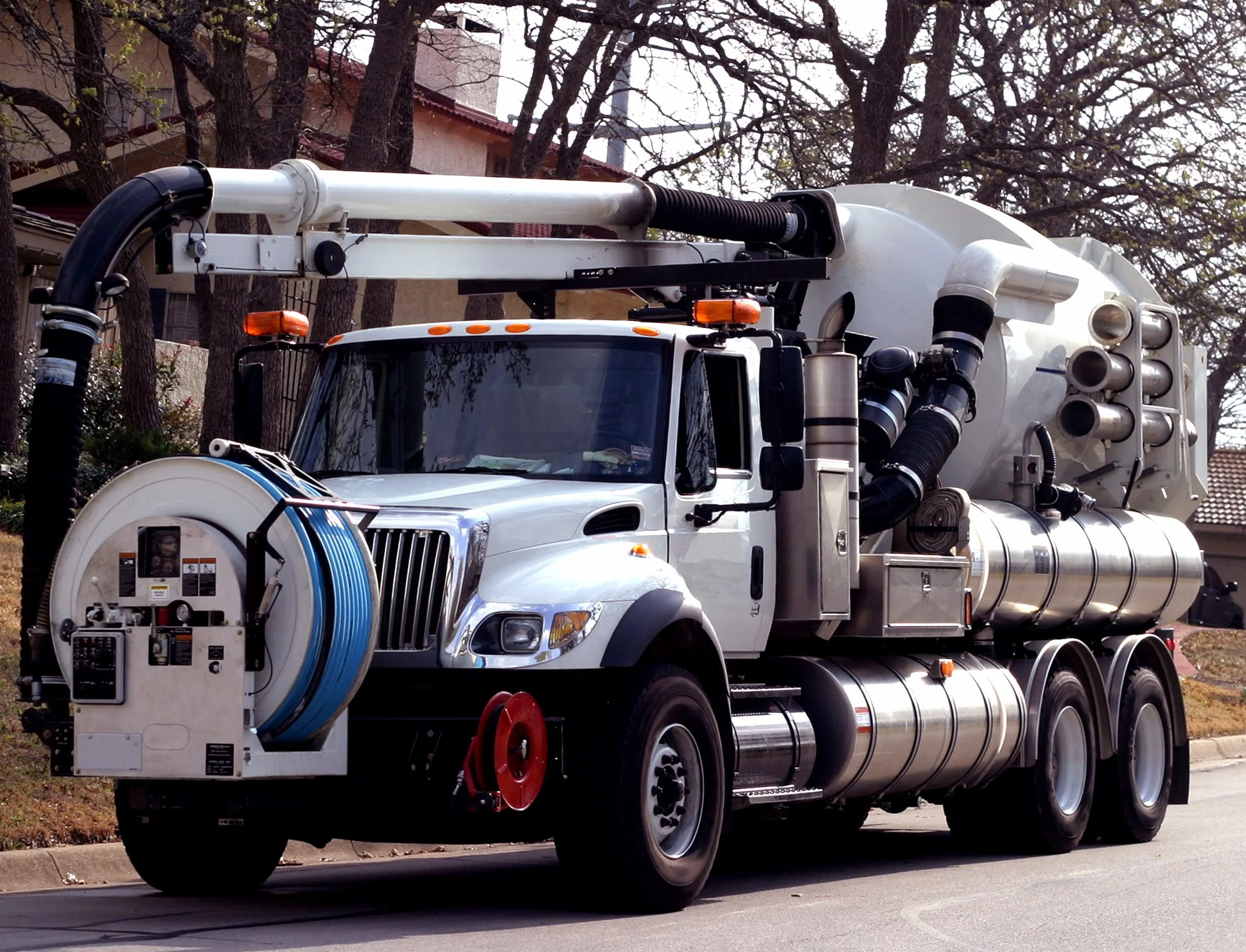
Hydro-excavation is the future of excavation because it combines precision, safety, and efficiency in ways traditional mechanical methods cannot match. Using high-pressure water to loosen soil and a powerful vacuum to remove the slurry, hydro-excavation minimizes risk to underground utilities, reduces site damage, and speeds project timelines.
Key advantages
Reduced risk to underground utilities: Hydro-excavation exposes utilities gradually and precisely, greatly lowering the chance of accidental strikes that can cause service outages, costly repairs, environmental harm, and injuries.
Safer for workers: Non-destructive digging keeps workers farther from hazardous excavations and avoids the shock, blast, or collapse risks associated with mechanical digging near unknown subsurface lines.
Greater precision and control: Operators can accurately expose small-diameter lines, conduit, and valves, perform potholing, daylighting, and trenching with minimal disturbance to surrounding soil and structures.
Faster project completion: For many tasks, hydro-excavation reduces time spent on careful mechanical digging, backfilling, and restoration. Faster locating and exposing of utilities accelerates downstream work.
Less site restoration and lower overall cost: Because hydro-excavation minimizes surface disturbance, there is often less landscaping, paving, or grading required after the work, cutting restoration costs and return-to-service time.
Effective in varied soil conditions: Hydro-excavation works in frozen ground (with specialized hot-water units), compacted soils, clay, and sandy conditions where mechanical excavation is slow or risky.
Environmentally preferable: Slurry capture and vacuuming reduce the spread of sediment and contaminants. Containment of excavated material simplifies proper disposal and reduces erosion and runoff risks.
Flexible applications: Suitable for potholing, daylighting, trenching, debris removal, slot trenching, slab removal, and exposing conduits for maintenance or repair.
Operational considerations
Equipment and training: Effective hydro-excavation requires trained operators and properly maintained units. Teams must follow safety best practices and local regulations for slurry handling and disposal.
Water use and disposal: Projects must plan for water supply and manage slurry in accordance with environmental guidelines—this is typically straightforward but must be managed responsibly.
Job suitability: While highly versatile, very large bulk earthmoving tasks remain more economical with mechanical excavators. Hydro-excavation is ideal where precision and safety around utilities are priorities.
Business and regulatory drivers
Increasing subsurface congestion: Growing numbers of utility lines—fiber, electric, gas, water—make nondestructive digging essential to prevent costly service interruptions.
Stricter regulations and liability concerns: Utility strikes carry higher penalties and liability; hydro-excavation helps reduce exposure to fines, claims, and reputational damage.
Demand for speed and minimal disruption: Urban projects and critical infrastructure work prioritize methods that shorten downtime and reduce public impact—hydro-excavation meets those needs.
Conclusion
Hydro-excavation delivers a safer, more precise, and often more cost-effective alternative to traditional mechanical excavation for tasks involving underground utilities and sensitive sites. As subsurface congestion increases and regulatory and safety pressures grow, hydro-excavation will continue expanding as the preferred method for exposing, protecting, and working around buried infrastructure.